Travel Tips to planning a memorable Colorado visit
Travel Tips to planning a memorable Colorado visit
Blog Article
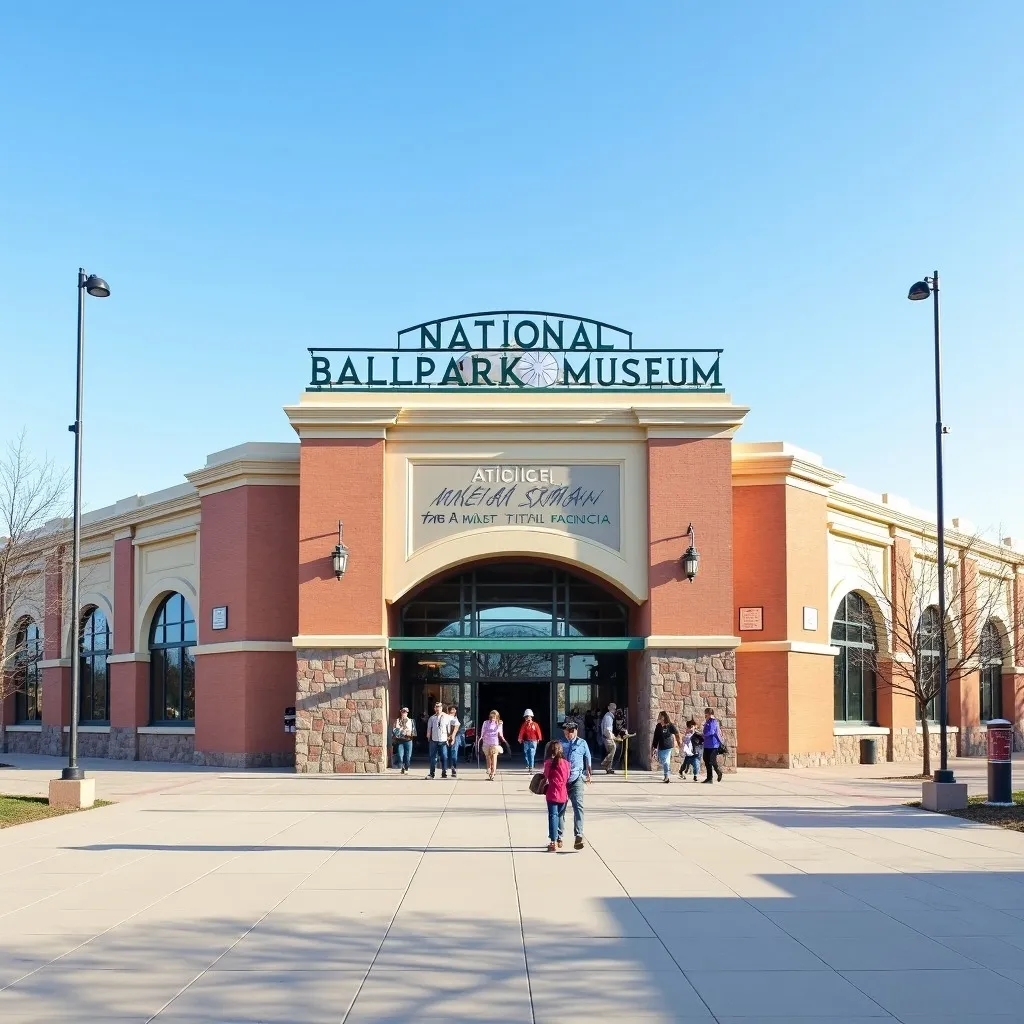
Revealing America's Legacy at the National Ballpark Museum
The National Ballpark Museum offers a distinctive glimpse into America's baseball legacy. Through its assemblage of memorabilia and displays, visitors can discover the sport's development alongside societal changes. Iconic uniforms and uncommon pictures share stories of icons and their impact on the game. As groups interact with interactive displays, they discover how baseball stays intertwined with American culture. What insights might this museum reveal about the tomorrow of the sport?
The Substantial Chronicles of Baseball in America
Baseball, traditionally called America's beloved pastime, has a colorful history that is woven into the cultural character of the nation. Arising in the mid-1800s, the sport swiftly gained traction, displaying the cultural dynamics and distinctive identities of the period. The founding of major professional leagues transformed baseball into a mainstay of American entertainment, with the National League forming in 1876 and the American League following in 1901.
Major events, such as the incorporation of baseball in 1947 with Jackie Robinson, denoted significant societal shifts, opposing conventional norms and promoting civil rights. The game has also witnessed legendary figures, from Babe Ruth to Hank Aaron, whose legacies reverberate beyond the diamond. Historic ballparks have held National Ballpark Museum countless unforgettable moments, creating a shared experience for fans. Overall, baseball acts as a reflection of American history, encapsulating triumphs, struggles, and the enduring spirit of a nation bound by its devotion for the game.
Historic Baseball Treasures You Can't Overlook
While recollections of storied matches and significant events linger in the minds of fans, iconic baseball memorabilia works as material links to the sport's distinguished past. The National Ballpark Museum houses an noteworthy gathering, featuring items that embody the essence of baseball's past. Visitors can marvel at vintage uniforms displayed by Hall of Famers, each thread conveying a story of triumph and perseverance. Autographed baseballs, preserved in glass cases, offer insights into personal connections between players and fans, while precious images immortalize key moments in baseball history.
Among the key attractions are title symbols, representing the height of achievement, and antique game passes that transport spectators back to unforgettable games. Each object prompts reflection and appreciation for the sport's evolution. This carefully selected collection not only presents the game's milestones but also elicits wistful feelings, informing people of the persistent tradition of America's pastime.
Get to Know the Legends: How the Museum Recognizes Baseball Icons
The homage to baseball legends fills the atmosphere of the National Ballpark Museum, where visitors are encouraged to explore the lives and accomplishments of the sport's most legendary figures. The museum features captivating exhibits that highlight the careers of baseball stars, providing artifacts, photographs, and interactive displays that bring their stories to life. Each section is meticulously curated to reflect the unique contributions of players such as Babe Ruth, Jackie Robinson, and Hank Aaron, showcasing their impact both on and off the field.
The museum also organizes special events and guest speakers, granting fans opportunities to listen to firsthand accounts and insights from former players and historians. This commitment to honoring baseball icons builds a deep connection between visitors and the legends who developed the game. Through its immersive environment, the National Ballpark Museum assures that the legacy of these players remains an inspiration to future generations of baseball enthusiasts.
Find Out How Baseball Stadiums Have Modernized
Over the decades, baseball's stadiums have shifted substantially to meet the shifting demands of fans and players alike. Traditional ballparks were straightforward, with wooden bleachers and basic amenities, primarily designed for the game itself. As the sport expanded in popularity, however, stadiums began to integrate additional features, such as better seating, concessions, and restrooms, elevating the overall experience.
The deployment of advanced innovations resulted in impressive development, including electronic displays and refined sound quality. Design-wise, stadiums advanced from the regular, structured forms to more distinctive, patron-centered formats, crafting dynamic environments that reflect local traditions. The surge in corporate investments also determined architecture, with exclusive suites and luxury seating becoming standard practice. Today, stadiums operate as diverse venues, presenting performances and events outside of baseball, revealing their adaptability and relevance to American communities. This journey illustrates not simply a game, but a energetic civic center.
Family-Suitable-Activities at the National Ballpark Museum
The National Ballpark Museum presents a selection of child-appropriate activities that acknowledge the rich history of baseball and its celebrated stadiums. Families can take in interactive exhibits that prompt children to connect with the sport's history through hands-on displays. A search adventure throughout the museum prompts young visitors to investigate artifacts and learn about legendary players and historic moments.
Furthermore, the museum presents educational workshops where children can refine their baseball skills, gain knowledge about the science of the game, and participate in storytelling sessions about famous teams and their achievements. Special events, such as family days, often include guest speakers from the baseball community, contributing a personal touch to the experience. With its lively environment and diverse offerings, the National Ballpark Museum inspires a love for baseball, making it an ideal destination for families looking to relate over America's favorite pastime.
Map Out Your Trip to the National Ballpark Museum
Thinking about how to maximize a tour to the National Ballpark Museum? Guests are encouraged to review the museum's official website for current hours and admission fees before planning their trip. Located in Denver, Colorado, the museum is conveniently accessible via public transportation and offers nearby parking options. It is recommended to dedicate at least two hours to tour the extensive exhibits, which feature baseball history and memorabilia.
For individuals seeking a structured tour, the museum provides knowledgeable tours that explore further into the collections. Families can enjoy participatory installations, making it a remarkable experience for all ages. Additionally, visitors should consider planning their visit time to coincide with special events or rotating exhibitions for an improved visit. Finally, the museum shop sells special mementos for admirers to take home, ensuring that the visit creates a enduring memory.
Frequently Asked Questions
What Is the Museum's Business Hours?
The museum functions from 10 AM to 5 PM, Tuesday through Sunday. It remains closed on Mondays, enabling staff to preserve displays and ready for the next day's visitors enthusiastic to explore its collections.
Does the Museum Charge an Admission Fee?
The museum demands a slight admission fee for admittance. Visitors can experience a abundant compilation of exhibits and historical artifacts, strengthening their understanding of the sport's significance on American culture and history.
Are organized tours offered at the Museum?
Guided excursions are available at the museum, giving visitors with an comprehensive encounter. Expert guides discuss perspectives and stories about the exhibits, enhancing the appreciation of baseball history and its cultural significance.
May I Buy Gifts at the Museum?
At the gallery, souvenirs are sold for purchase. Visitors can find a variety of memorabilia, including garments, collectibles, and themed items, allowing them the chance to take home a piece of their experience.
Are Museum Premises Mobility Device Accessible?
The museum is easily accessible for wheelchairs, ensuring that all guests can navigate its displays with ease. Accessible ramps and marked routes are available, encouraging inclusive access and allowing everyone to appreciate the rich history showcased within its spaces.
Please visit one of our local supporters - True Joy Birthing Denver Doula
Report this page